
Our Top Fly Control Products
-

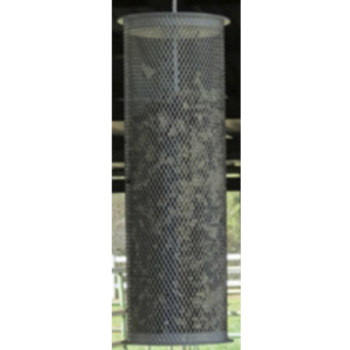
Fly Parasite Hatching Station
Price range: $23.95 through $28.95 — or subscribe to save 5% -
Fly parasites for Fly Control (7,500/ 10,000/ 15,000/ 25,000)
Price range: $25.20 through $62.00 — or subscribe to save 5%
Natural Fly Control Using Beneficial Parasites
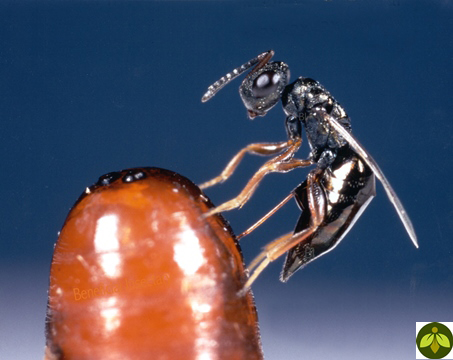
Effective fly control is essential for farms, dairies, stables, and other places where animals are raised. Filth-breeding flies such as houseflies (Musca domestica) thrive in manure and waste, creating health hazards by spreading diseases to animals and humans. One powerful natural solution is using beneficial fly parasites such as Muscidifurax raptorellus, Muscidifurax zaraptor, and Spalangia cameroni. These tiny wasps help break the lifecycle of nuisance flies, reducing infestations naturally.
How Fly Control Parasites Work
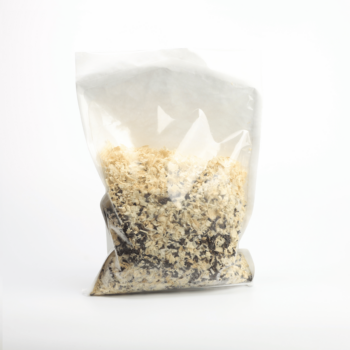
Fly parasites arrive as pre-parasitized fly pupae, packaged with pine shavings as a carrier. Sprinkle the bag’s contents in and around stalls, feeding areas, manure storage sites, and, in other non-livestock worlds, compost piles, garbage, refuse disposal sites or landfills, etc. Please put, them in protected locations (from hooves, rain, etc.). They can also be deposited into hatching stations.

When released into your environment, adult wasps actively search for fly pupae and lay eggs inside them. Each parasite lays up to five eggs in a single fly pupa. Once the parasite larvae hatch, they feed on the developing fly from the inside (endoparasitism). Instead of new flies emerging, beneficial parasites hatch, continuing the cycle and significantly reducing fly populations.
In normal stable conditions, with a preference for the dry side, and only if programmed releases are followed, these nocturnal mini-wasps can adequately control many common flying insects.
Use our Fly Parasite Calculator to accurately estimate the number of fly parasites required for effective fly control in your livestock operation.
Benefits of Fly Control with Parasites
Using natural parasites for fly control offers numerous advantages. These tiny wasps:
- Reduce fly populations effectively without chemicals.
- Improve overall livestock hygiene and reduce disease risk.
- Work quietly and naturally, posing no threat to humans or animals.
- Are easy to release in barns, stables, compost piles, and waste areas.
- Integrate seamlessly into an integrated pest management (IPM) strategy alongside manure management and trapping.
Effective Application for Optimal Fly Control
To get the best results from your fly control parasites:
- Begin releases early in the season (early to mid-spring).
- Spread parasites around stalls, feeding areas, manure storage, compost heaps, and refuse sites.
- Maintain regular releases every 3–4 weeks initially. Increase frequency during peak fly season (typically July–August).
- Protect parasite release areas from rain, hoof traffic, and disturbances to ensure higher survival rates.
Strict adherence to your release schedule is essential. If parasite releases begin too late, additional larger releases may be necessary to catch up, as flies reproduce faster than parasites.
Flies are notorious because they often spread disease among animals and humans, creating health hazards in livestock environments. While biological control methods are helpful, other practices, such as traps, insecticides, or pesticide applications, may be necessary as part of an integrated program.
Many have great success with these parasites—though some, of course, do not. Most are pleased. Again, the mini-wasps are part of the program; trapping and sound manure management are essential.
Additionally, the successful ones get them season-long on a regular shipment schedule, which works best. Remember to make sure the timing is right.
Combining Fly Control Methods
While fly control parasites significantly reduce fly populations, integrating other methods ensures the best outcome. Effective strategies include:
- Regular manure and waste removal.
- Using fly traps in high-activity areas.
- Applying insecticides selectively and sparingly if necessary.
This combined approach ensures comprehensive fly management, minimizing health risks and creating a safer environment for livestock and people.
Where to Use Fly Control Parasites
Beneficial fly control parasites are highly effective in various settings, including:
- Farms and dairies
- Stables and horse facilities
- Kennels and pet facilities
- Composting sites and landfills
- Racetracks and large-animal facilities
Confirm the presence of flies before beginning a fly control parasite program, as effectiveness depends on early and consistent intervention. With proper use, these beneficial insects become a valuable tool in your pest control arsenal, helping you maintain healthier, cleaner, and safer environments naturally.
Release Rates for Fly Parasites
| Animal Type | Quantity per Animal | Frequency |
|---|---|---|
| Horses | 7,500 per every 5 horses | Distributed every 2 to 4 weeks |
| Cattle, Buffalo | 7,500 per every 5 animals | Distributed every 1 to 3 weeks |
| Goats, Sheep, Dogs | 7,500 per every 15 animals | Distributed every 2 to 4 weeks |
| Miniatures, Burros | 7,500 per every 10 animals | Distributed every 2 to 4 weeks |
| Swine | 7,500 per every 10 animals | Distributed every 1 to 2 weeks |
| Chickens, Turkeys (on wire) | 7,500 per every 2,000 birds | Distributed every 1 to 2 weeks |
| Ostriches, Emus | 7,500 per every 15 birds | Distributed every 2 to 4 weeks |
| Llamas, Alpacas | 7,500 per every 10 animals | Distributed every 2 to 4 weeks |
| Feedlots, Dairies, Zoos and all other | Please call 1.855.289.1441! |
Set up recurring shipments and save!
Produced in the USA!
Our Top Fly Control Products
-
Fly Parasite Hatching Station
Price range: $23.95 through $28.95 — or subscribe to save 5% -
Fly parasites for Fly Control (7,500/ 10,000/ 15,000/ 25,000)
Price range: $25.20 through $62.00 — or subscribe to save 5%

