
Our Top Aphid Control Products
-
 APHIDIUSforce™ C (500/ 1,000/ 5,000)Price range: $35.95 through $332.95 — or subscribe to save 5%
 -
APHIDIUSforce™ CE (500/ 1,000/ 5,000)Price range: $93.95 through $922.95 — or subscribe to save 5%
-
A.colemani/ A.ervi/ A.abdominalis/ A. matricariae mix – aphid parasite (750)$129.95 — or subscribe to save 5%
-
APHIDIUSforce™ E (250/500/1,000)Price range: $66.95 through $969.95 — or subscribe to save 5%
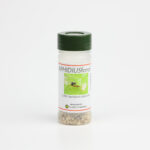
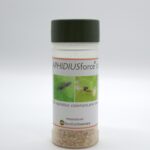
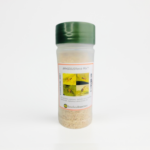
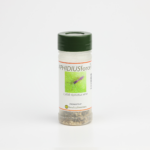
Aphid Control with Aphidius & Aphelinus parasites offers an effective, natural solution for managing aphid infestations in greenhouses, gardens, and indoor grow spaces. These tiny parasitoid wasps target a wide range of aphid species by laying eggs inside their hosts. The developing larvae stop aphids from spreading and reproducing. Using beneficial insects like Aphidius colemani, Aphidius ervi, and Aphelinus abdominalis offers long-term suppression without relying on chemical sprays. Whether you’re managing a small garden or a commercial crop, integrating these biocontrol agents into your pest management plan can significantly reduce aphid populations while promoting a healthier, more sustainable growing environment.

Aphidius colemani (APHIDIUSforce C) and Aphidius ervi (APHIDIUSforce E) are parasitoid wasps that attack many common aphid species. A. colemani targets smaller species, such as the Melon Aphid (Aphis gossypii) and the Green Peach Aphid (Myzus persicae). In contrast, A. ervi targets larger species, such as the Potato Aphid (Macrosiphum euphorbiae) and the foxglove Aphid (Aulacorthum solani). Between the two, they can control over 40 aphid species.
Growers have successfully used both A. colemani and A. ervi to control hemp and cannabis aphids (Phorodon cannabis). Like most biocontrol agents, they perform best as a preventative when aphid levels are low or not yet present. For outbreaks, increase release rates and pair the wasps with aphid predators such as Chrysoperla or Aphidoletes. A. Colemani works exceptionally well when released alongside banker plants.

How Aphid Control with Aphidius & Aphelinus Parasites Works
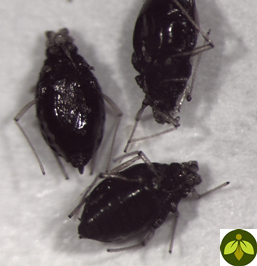
Female wasps from both species sting aphids and lay a single egg inside each one. A single female may parasitize hundreds of aphids during her two-week life, with most activity occurring in the first few days after emergence. Once the egg hatches, the larva feeds on the aphid from within. In about 7 to 10 days, it kills the aphid, spins a silk cocoon, and forms a hardened “mummy.” Another week later, the adult wasp finishes developing and chews a small hole through the back of the aphid to emerge.
Adult wasps are strong fliers. Females travel far in search of aphids and perform best between 64–75°F. Because their development doesn’t depend on day length, they remain active year-round in temperature-controlled environments.
Benefits of Using Aphidius & Aphelinus for Aphid Control
Both Aphidius species are prolific and highly efficient at locating aphid colonies—even before visible signs appear. You can apply them across many different crop types and growing systems, including tomatoes. Their tolerance of low light conditions makes them easy to establish early in the growing season. Because A. colemani can establish on banker plants, you can allocate more budget toward other beneficial insects or pest-specific controls.
Scouting and Monitoring Aphid Control Effectiveness
Scouting for Aphidius activity is simple. You may spot the wasps flying around your crop in search of aphids. Look for the distinct mummies they create—brown, bloated, and hardened aphid bodies. With some magnification and good lighting, you may even spot developing larvae inside the aphids.
Toward the end of larval development, the aphid becomes bulbous and often lighter than others in the same colony. This visual cue helps confirm parasitism.
During late summer, keep an eye out for hyperparasitoids—other wasp species that target parasitized aphids. These intruders can disrupt control efforts by killing the developing Aphidius. You can usually identify their presence by jagged exit holes in mummies, unlike the neat, round holes left by Aphidius.

Tips for Successful Aphid Control with Natural Parasites
To protect emerging wasps, remove yellow sticky cards for the first few days after release. Blue cards can stay in place throughout the season. If ants are present, address them before introducing Aphidius or aphid predators. Ants defend aphids in exchange for honeydew and will interfere with your biocontrol efforts if left unchecked.
Where to Use Aphidius & Aphelinus Parasites
You can release Aphidius species in greenhouses, indoor grow rooms, field crops, orchards, and gardens. Essentially, anywhere aphids exist and conditions support parasitoid activity is a suitable environment.
Release Rates for Aphidius colemani
| Classification | Release Information |
|---|---|
| Preventative | 1-5 per 100 square ft., weekly |
| Hot spots | 5-25 per 100 square ft., weekly |
Release Rates for Aphidius ervi
| Classification | Release Information |
|---|---|
| Preventative | 1-5 per 100 square ft., weekly |
| Hot spots | 5-25 per 100 square ft., weekly |
Release Rates for mixed Aphidius/Aphelinus bottles
| Classification | Release Information |
|---|---|
| Preventative | 1 per 10 square ft., weekly as needed |
| Hot spots | 5 per 10 square ft., weekly as needed |
Our Top Aphid Control Products
-
APHIDIUSforce™ C (500/ 1,000/ 5,000)Price range: $35.95 through $332.95 — or subscribe to save 5%
-
APHIDIUSforce™ CE (500/ 1,000/ 5,000)Price range: $93.95 through $922.95 — or subscribe to save 5%
-
A.colemani/ A.ervi/ A.abdominalis/ A. matricariae mix – aphid parasite (750)$129.95 — or subscribe to save 5%
-
APHIDIUSforce™ E (250/500/1,000)Price range: $66.95 through $969.95 — or subscribe to save 5%